
Artificial intelligence is becoming an important part of everyday life. One of the most common examples is the use of AI assistants and chatbots. These tools can answer questions, provide information, help people complete tasks, and communicate with users in a natural way.
From customer service websites to smartphones and business platforms, AI assistants and chatbots are making communication faster and more convenient.
What Are AI Assistants and Chat-bots?
AI assistants and chatbots are computer programs that use artificial intelligence to communicate with people.
A chatbot is usually designed to answer questions or help users on a website, app, or messaging platform. For example, a chatbot may help a customer track an order, find a product, or solve a simple problem.
An AI assistant can perform a wider range of tasks. It may help users write messages, organize information, search for ideas, create schedules, or learn about different topics. Some AI assistants can also understand voice commands and interact with smart devices.
Although chatbots and AI assistants are not exactly the same, both are designed to make communication and everyday tasks easier.
How Do They Work?
AI assistants and chatbots use technologies such as natural language processing and machine learning.
Natural language processing allows computers to understand human language. This means users can type questions in their own words instead of using special commands.
Machine learning helps AI systems identify patterns and improve their responses over time. When a chatbot receives a question, it analyzes the words, understands the likely meaning, and provides a suitable answer.
For example, if a customer types, “Where is my package?” the chatbot may understand that the person wants delivery information. It can then ask for an order number or connect to the company’s delivery system.
Common Uses of AI Assistants and Chat-bots
- Customer Service
Many companies use chatbots to provide customer support. Chat-bots can answer common questions about opening hours, prices, returns, payments, and delivery.
They are available at any time, which means customers do not always have to wait for a human representative. For simple problems, a chatbot can provide a quick solution.
- Education
AI assistants can support students by explaining difficult topics, suggesting study methods, and helping them organize their work.
For example, a student might ask an AI assistant to explain a science concept in simple language or create practice questions for an exam. Teachers can also use AI tools to prepare lesson ideas and learning activities.
However, students should use AI as a learning aid rather than depending on it to complete all their work.
- Business and Work
AI assistants can help employees save time by summarizing information, writing drafts, creating lists, and organizing tasks.
They can also help businesses communicate with customers, manage appointments, and answer frequently asked questions. This allows employees to focus on more complex responsibilities.
- Healthcare Information
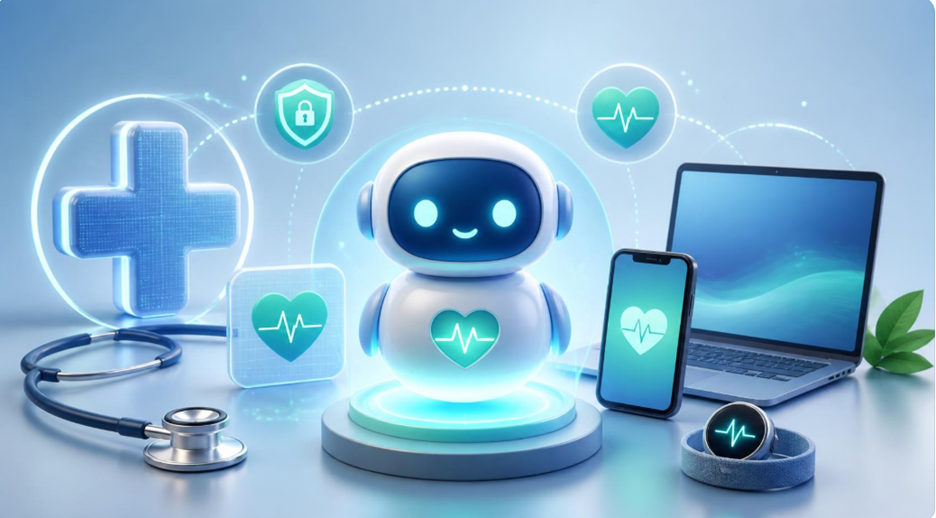
Some healthcare organizations use chatbots to help people find general information, book appointments, and receive reminders.
These tools can make healthcare services easier to access. However, chatbots should not replace doctors or provide final medical diagnoses. People should always speak with a qualified healthcare professional about serious health concerns.
- Online Shopping
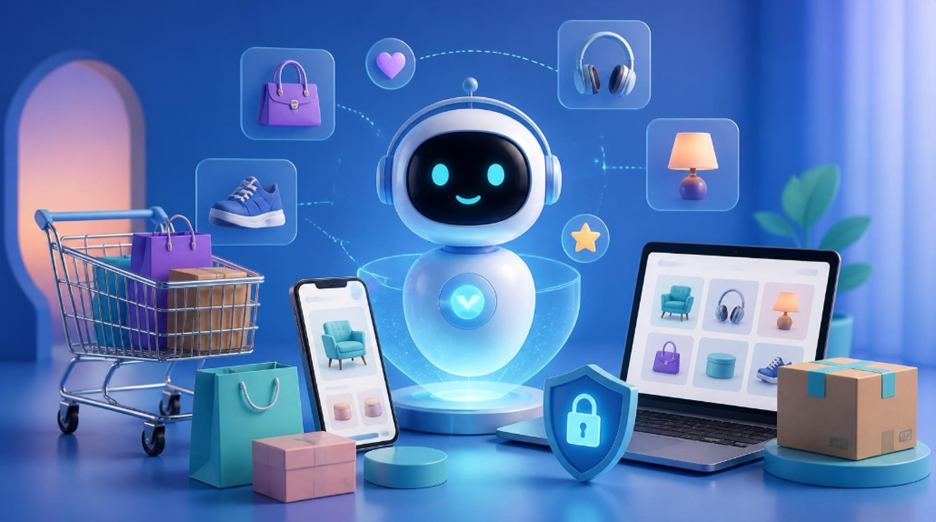
Shopping websites often use chatbots to recommend products, answer questions, and help customers complete purchases.
An AI assistant may ask about a person’s preferences and suggest items that match their needs. It can also explain product features, check availability, and provide information about shipping.
6. Personal Organization
AI assistants can help people manage their daily lives. They can create reminders, organize schedules, prepare shopping lists, and help users plan activities.
Some assistants can also control smart home devices, such as lights, speakers, and thermostats.
Benefits of AI Assistants and Chat-bots
AI assistants and chatbots offer several important benefits.
Faster Communication
Chat-bots can respond immediately to many questions. Users do not always need to wait for an email reply or speak to a customer service representative.
Availability at Any Time
Many chatbots are available 24 hours a day. This is useful for people who need help outside normal business hours.
Support for Many Users
A chatbot can communicate with many people at the same time. This helps businesses manage busy periods more effectively.
Help With Repetitive Tasks
AI assistants can complete simple and repetitive tasks quickly. This saves time and allows people to concentrate on work that requires creativity, judgment, and personal attention.
Easy Access to Information
AI tools can explain information in different ways. Users can ask for a short answer, a detailed explanation, or an example that is easier to understand.
Limitations and Risks
Although AI assistants and chatbots are useful, they are not perfect.
They Can Make Mistakes
AI systems may sometimes provide incorrect, incomplete, or outdated information. Users should check important information before making decisions based on an AI response.
Privacy Concerns
People may share personal information when using chatbots and AI assistants. It is important to understand how information is collected, stored, and used.
Users should avoid sharing sensitive details unless they know the service is secure and trustworthy.
Lack of Human Understanding
AI can understand language, but it does not have human emotions or personal experiences. A chatbot may not fully understand a complicated situation or provide the empathy that a person can offer.
Over-dependence on Technology
Using AI for every task may reduce people’s ability to think independently or solve problems on their own. AI should support human abilities, not completely replace them.
Possible Job Changes
As businesses use more AI tools, some tasks may become automated. At the same time, new jobs and skills may become important. Workers may need to learn how to use AI responsibly and effectively.
How to Use AI Responsibly
People can use AI assistants and chatbots safely by following a few simple guidelines:
- Check important facts using reliable sources.
- Do not share unnecessary personal or private information.
- Remember that AI responses may contain mistakes.
- Use AI to support learning rather than copy answers.
- Ask a human expert when the topic is serious or sensitive.
- Review AI-generated content before publishing or sharing it.
- Treat AI as a helpful tool, not a replacement for human judgment.
The Future of AI Assistants and Chat-bots
AI assistants and chatbots will likely become more common in homes, schools, workplaces, and public services. Future systems may understand conversations more accurately, respond more naturally, and work with a wider range of applications.
They may also become better at understanding voice, images, and personal preferences. For example, an AI assistant could help someone plan a trip, compare options, create a schedule, and answer questions in one conversation.
Even as these tools improve, human oversight will remain important. People will need to make sure AI is used fairly, safely, and responsibly.
Conclusion
AI assistants and chatbots are changing the way people communicate with technology. They can answer questions, provide customer support, assist with education, organize tasks, and help businesses work more efficiently.
However, they also have limitations. They can make mistakes, create privacy concerns, and cannot replace human understanding in every situation.
The best way to use AI is to combine its speed and convenience with human knowledge, creativity, and judgment. When used responsibly, AI assistants and chatbots can become valuable tools for everyday life.