
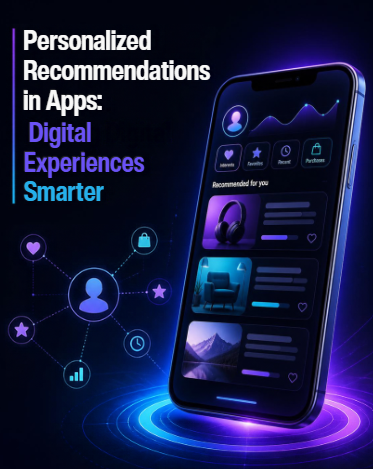
In today’s digital world, apps are designed to provide users with experiences that are faster, more relevant, and more enjoyable. One of the most powerful features behind this improvement is personalized recommendations. From streaming platforms and online shopping apps to social media and fitness applications, personalized recommendations help users discover content, products, and services that match their interests and needs.
What Are Personalized Recommendations?
Personalized recommendations are suggestions generated by an app based on a user’s behavior, preferences, and interactions. These recommendations are powered by artificial intelligence (AI), machine learning, and data analytics.
Examples include:
- Netflix suggesting movies based on viewing history.
- Spotify recommending playlists and songs.
- Amazon displaying products related to previous purchases.
- YouTube suggesting videos similar to watched content.
How Personalized Recommendations Work
Apps collect and analyze data such as:
- Search history
- Purchase history
- Viewing or listening habits
- Likes, comments, and shares
- Location and demographic information
Using this data, algorithms identify patterns and predict what users may find valuable or interesting.
Benefits of Personalized Recommendations
1. Improved User Experience
Users can quickly find relevant content without spending time searching through large amounts of information.
2. Increased Engagement
When users receive recommendations that match their interests, they are more likely to continue using the app.
3. Better Decision-Making
Personalized suggestions help users discover products, services, or content that meet their needs.
4. Higher Customer Satisfaction
Relevant recommendations make users feel understood and valued, improving overall satisfaction.
5. Business Growth
Companies benefit from increased sales, customer retention, and stronger user loyalty.
Challenges and Concerns
Despite their advantages, personalized recommendations can present some challenges:
- Privacy Concerns: Users may worry about how their data is collected and used.
- Filter Bubbles: People may only see content that matches their existing preferences, limiting exposure to new ideas.
- Data Accuracy: Incorrect or incomplete data can lead to poor recommendations.
To address these concerns, organizations should be transparent about data usage and provide users with privacy controls.
Best Practices for Effective Recommendations
To deliver useful recommendations, apps should:
- Protect user privacy and data.
- Continuously improve recommendation algorithms.
- Allow users to customize their preferences.
- Balance personalized content with new and diverse suggestions.
- Collect feedback to improve accuracy.
The Future of Personalized Recommendations
As AI technology continues to advance, personalized recommendations will become even more accurate and context-aware. Future apps may consider factors such as mood, real-time behavior, and personal goals to provide highly tailored experiences.
Conclusion
Personalized recommendations have transformed the way people interact with apps. By analyzing user preferences and behavior, apps can deliver relevant content, improve user satisfaction, and create more engaging digital experiences. While privacy and data protection remain important considerations, personalized recommendations will continue to play a key role in the future of technology and customer engagement.